


2023 W McDermott Dr Ste 290
Allen, TX 75013

Can Contacts Protect Against Summer Allergies? Best Lenses for Allen TX Pollen
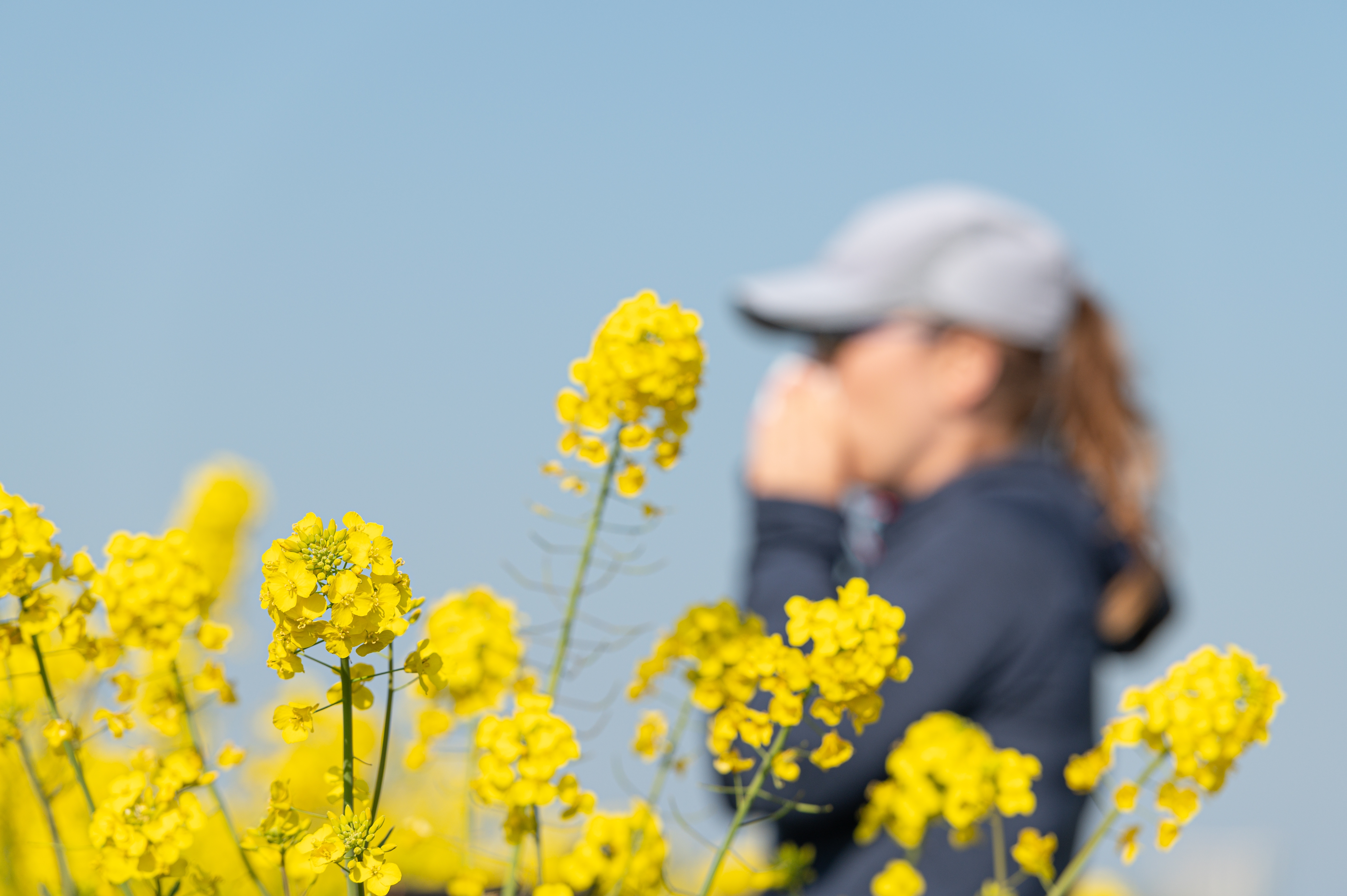
Summer pollen in Allen can make contact lens wear more frustrating than usual. Itchy eyes, watering, redness, burning, and lens discomfort can all show up when allergens collect on or around the eyes. If you wear contacts, you may wonder whether the right lenses can help protect against summer allergies or whether contacts make symptoms worse.
The answer depends on your eyes, your lens type, and how well your lenses are replaced and cleaned. At D Vision Eyecare, we help patients in Allen find contact lens options that support clearer vision, better comfort, and healthier eyes during allergy season.
How Pollen Affects Contact Lens Wearers
Pollen and other airborne allergens can stick to the surface of contact lenses. When that happens, your eyes may become more irritated throughout the day. The longer allergens stay on the lenses, the more likely you are to experience itching, redness, watering, or a gritty feeling.
In Allen, summer weather can also bring heat, wind, dust, and dry indoor air from air conditioning. These factors can make allergy symptoms feel worse and may cause contact lenses to dry out faster.
Can Contacts Protect Your Eyes From Allergies?
Contacts do not fully protect your eyes from pollen, but the right lens choice and wearing routine can make a difference. Some lenses are better for allergy-prone eyes because they reduce buildup and make it easier to start fresh.
Daily disposable contacts are often a strong option for patients with seasonal allergies. Since they are replaced every day, pollen, deposits, and irritants are discarded with the lens at night. This can be more comfortable than reusing the same pair for two weeks or a month, especially during high-pollen periods.
Why Daily Disposable Lenses May Be Better For Allergy Season
Daily disposables are convenient and hygienic, which can be helpful for busy families, students, athletes, and adults in Allen. They do not require overnight storage or cleaning solution, and each day begins with a clean lens surface.
For patients who struggle with allergy-related contact lens discomfort, daily lenses may help reduce exposure to built-up allergens. They can also be a good choice for part-time wearers who only use contacts for work, sports, travel, or special occasions.
Signs Your Contacts Are Not Working Well During Allergy Season
If your contact lenses feel uncomfortable during summer pollen season, it may be time for a contact lens exam. Watch for:
- Itchy, red, or watery eyes while wearing contacts
- Burning or stinging that worsens during the day
- Lenses that feel dry, sticky, or gritty
- Blurry or fluctuating vision
- Frequent rubbing of the eyes
- Contact lens discomfort around pollen, wind, or dust
- Needing to remove lenses earlier than usual
- Little relief from rewetting drops
These symptoms may mean your lens material, replacement schedule, fit, or allergy management plan needs to be adjusted.
When Glasses May Be Better Temporarily
Even with the best contact lenses, there may be days when your eyes need a break. If your eyes are very itchy, red, swollen, or irritated, wearing glasses for a day or two may help reduce contact lens-related discomfort. Glasses can also help limit direct exposure to wind and airborne particles, especially when paired with sunglasses outdoors.
You should avoid rubbing your eyes, especially while wearing contacts. Rubbing can make irritation worse and may increase the risk of lens movement or eye surface irritation.
Allergy Drops And Contact Lenses
Not all eye drops are safe to use with contact lenses. Some allergy drops or redness relievers may contain preservatives or ingredients that can irritate the eyes or interact with lenses. If you need allergy eye drops, ask your eye doctor which products are safe and when to use them.
In many cases, patients may be advised to use allergy drops before inserting contacts or after removing them. Your doctor can recommend a plan based on your symptoms and lens type.
Finding The Best Contacts For Allen TX Pollen
The best contacts for summer allergies depend on your prescription, tear film, eye health, lifestyle, and allergy symptoms. Daily disposable lenses are often a good starting point, but some patients may need a different lens material, dry eye treatment, allergy treatment, or an updated fit.
At D Vision Eyecare in Allen, our team provides contact lens exams, eye allergy care, and dry eye treatment to help patients stay comfortable through the season. If pollen is making your contacts harder to wear, a personalized exam can help you find a better solution.
Schedule a contact lens exam or allergy eye evaluation with D Vision Eyecare in Allen, TX by calling (972) 649-4441. Visit us at 2023 W McDermott Dr Ste 290, Allen, TX 75013.

- Monday9:00am - 5:00pm
- Tuesday9:00am - 5:00pm
- Wednesday10:00am - 6:00pm
- Thursday10:00am - 6:00pm
- Friday10:00am - 6:00pm
- SaturdayBy appointment only
- SundayClosed
© 2026 D Vision Eyecare | All rights Reserved | Accessibility Statement | Privacy Policy
Powered by
